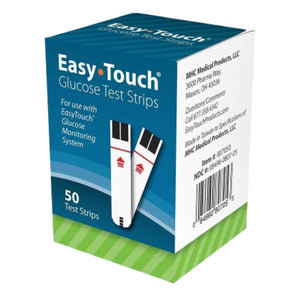


- 06908217001 | 50 Test Strips | Box - $119.34
- 06908268001 | 100 Test Strips | Box - $240.00
Accu-Chek Aviva Plus Blood Glucose Test Strips
PRODUCT DETAILS
Accu-Chek Aviva Plus Blood Glucose Test Strips are the testing reagents for the Accu-Chek Aviva blood glucose meters, made by Roche Diagnostics Operations, Inc. The strips use glucose dehydrogenase chemistry to quantitatively measure glucose in fresh capillary whole blood samples drawn from the fingertip, forearm, upper arm, or palm, for use with the Accu-Chek Aviva, Aviva Connect, Aviva Combo, and Aviva Expert meters. The system is for self-testing by people with diabetes at home as an aid to monitoring the effectiveness of a diabetes control program. Typical blood sugar targets for most people with diabetes who are not pregnant are before meals 80 to 130 mg/dL and below 180 mg/dL one to two hours after meals; your doctor sets your target range. The system delivers results in 5 seconds from a 0.6 μL sample, with a measurement range of 20 to 600 mg/dL (LO below 20 mg/dL, HI above 600 mg/dL).
Key Features and Benefits
- Glucose dehydrogenase chemistry for quantitative blood glucose measurement
- 0.6 μL sample size with a 5-second test time
- System measurement range of 20 to 600 mg/dL, with LO below 20 mg/dL and HI above 600 mg/dL
- Test sites: fingertip, forearm, upper arm, or palm (alternate-site palm, forearm, or upper arm only with the Accu-Chek Aviva meter)
- Compatible with the Accu-Chek Aviva, Aviva Connect, Aviva Combo, and Aviva Expert blood glucose meters
Accu-Chek Aviva Plus Blood Glucose Test Strips Chart
| MPN | Vials per Box | Sold Unit |
|---|---|---|
| 06908217001 | 1 | 50 test strips |
| 06908268001 | 2 | 100 test strips |
Limits
- Not for the diagnosis of or screening of diabetes, and not for neonatal use.
- For in vitro diagnostic use, outside the body.
- For self-testing by people with diabetes at home as an aid to monitor the effectiveness of a diabetes control program; not a substitute for professional care.
- Intended to be used by a single person and should not be shared.
- Meters and lancing devices should never be used by more than one person; do not share them with anyone (meters and lancing devices only).
- Do not use alternate site testing to calibrate a continuous glucose monitoring system or to make insulin dosing calculations.
- Follow the advice of your healthcare professional before you change your therapy.
- Hematocrit should be between 10–65 percent.
- Not for use on critically ill patients, patients in shock, dehydrated patients, or hyperosmolar patients.
- Blood concentrations of galactose over 15 mg/dL will cause overestimation of blood glucose results; intravenous ascorbic acid over 3 mg/dL will cause overestimation.
- Alternate site testing is not appropriate with the Accu-Chek Aviva Connect, Aviva Combo, or Aviva Expert systems (only the Accu-Chek Aviva meter), and not up to 2 hours after a meal, after injecting bolus insulin, after exercise, or if sick.
- Do not use test strips past the Use By date.
- Do not eat the test strips; they are only for use outside the body.
Frequently Asked Questions (FAQs)
How to Use Blood Glucose Test Strips?
Follow these steps for accurate readings:
- Wash your hands and dry them thoroughly.
- Insert the test strip into your glucose meter.
- Prick your fingertip with a lancet to draw a small drop of blood.
- Apply the blood sample to the test strip’s designated area.
- Wait for the results to display on your meter.
For best results, always follow the instructions provided with your glucose test strips and meter.
Do Blood Glucose Test Strips Expire?
Yes, blood glucose test strips do expire, and using them past their expiration date can lead to inaccurate readings. The expiration date is printed on the packaging, and exposure to air, humidity, and extreme temperatures can also affect their accuracy. Some test strips may come with a vial that contains a desiccant to help maintain stability, but it's always best to follow the manufacturer’s recommendations and discard expired strips. If you're unsure whether your test strips are still reliable, consult your healthcare provider or compare results with a control solution for accuracy.
How Do Blood Glucose Test Strips Work?
Blood glucose test strips contain enzymes and electrodes that react with blood sugar levels. When blood is applied, the strip sends an electrical signal to the meter, which then displays the glucose reading.
Are Blood Glucose Test Strips Accurate?
Yes, FDA-approved test strips from brands like OneTouch Verio, Contour Next, Accu-Chek, and FreeStyle are designed for high accuracy. However, results may vary due to factors like expired strips, improper storage, or incorrect usage.
How to Dispose of Blood Glucose Test Strips?
Used blood glucose test strips should be disposed of properly in a sharps container or biohazard waste bin, especially if contaminated with blood. Check your local disposal regulations for medical waste.
How Often Should You Test Blood Sugar?
The frequency of blood sugar testing depends on your diabetes type and treatment plan. Most people with diabetes test their blood sugar multiple times a day, especially before meals and bedtime. Consult your healthcare provider for personalized recommendations.