

Sterile Alcohol Prep Pads: What to Look For Before You Buy
If you have ever grabbed a box of alcohol prep pads off a shelf without a second thought, you are not alone. They all look the same. Small, square, foil-wrapped. But put two brands side by side and the differences become real fast: pad thickness, alcohol saturation level, ply count, size, and whether they are actually sterile or just clean. For anyone managing injections at home, performing wound care, or stocking a medical kit, those differences matter more than most people realize.
You may also see them called alcohol swabs on some boxes. Ultimed is one brand that uses that term directly on their packaging, and they are not alone. Whether the label says prep pads, swabs, or wipes, they are all referring to the same individually wrapped, isopropyl alcohol-saturated pad used for antiseptic skin preparation. This guide uses "prep pads" as the standard term throughout.
This guide breaks down every spec that affects how a sterile alcohol prep pad performs, what to look for based on your use case, and how to avoid buying the wrong product for your needs.
Medical Disclaimer: The content in this post is for informational purposes only and does not constitute medical advice. Always consult a qualified healthcare provider before making changes to your medical routine or supply choices.
What Does "Sterile" Actually Mean on a Prep Pad?
The word "sterile" on medical packaging has a specific, regulated meaning. A sterile alcohol prep pad has been processed, typically via gamma radiation or ethylene oxide, to eliminate all viable microorganisms, including bacteria, fungi, and spores. This is verified and certified, not just a marketing claim.
A non-sterile pad, by contrast, may be clean but has not been held to the same standard. For everyday surface cleaning or general disinfection, non-sterile pads are fine. But for pre-injection skin prep, IV site preparation, or wound care, sterile pads are the appropriate choice.
According to the U.S. Food and Drug Administration, sterile medical devices and supplies must meet defined bioburden reduction standards before they can be labeled as sterile. For more information, visit the FDA Sterile Device Guidance.
Key takeaway: If you are prepping skin for an injection, lancet stick, or minor procedure, always choose a sterile alcohol prep pad, not just any alcohol wipe.
The 5 Specs That Separate a Good Prep Pad From a Great One

1. Isopropyl Alcohol Concentration
Most sterile alcohol prep pads are saturated with 70% isopropyl alcohol (IPA), and for good reason. Research consistently shows that 70% IPA is more effective at killing bacteria than pure 100% isopropyl alcohol because water helps the solution penetrate bacterial cell walls.
Below 70%, you get reduced antimicrobial effectiveness, which is not ideal for medical prep. Above 70%, up to around 91%, the solution can denature proteins too quickly on the skin surface without fully penetrating cells, and it dries skin faster. All products in the Medicinal Supplies alcohol prep pads collection use 70% isopropyl alcohol, which aligns with clinical guidelines from the American Diabetes Association and standard nursing protocols.
2. Ply Count: Single-Ply vs. 2-Ply
Ply refers to the number of layers of nonwoven fabric the pad is made from. Single-ply pads are thinner and lighter. They work for quick skin wipes or surface cleaning but can fall apart if you apply firm pressure or scrub. 2-ply pads are more durable, hold more alcohol, maintain structure under pressure, and are the standard for clinical and home injection use.
For insulin injections, blood glucose testing prep, or any procedure where you need to wipe firmly in a circular motion, 2-ply is the better option. The majority of medical-grade sterile prep pads, including those from Cardinal Health Webcol, Medline Curad, and MHC EasyTouch, are 2-ply.
3. Pad Size: Medium vs. Large
Size affects how much surface area you can prep in a single swipe. Medium pads, approximately 1.2 x 1.2 inches when folded or roughly 2.4 x 2.4 inches unfolded, are the most common. They work well for fingertip lancet sites and small injection areas like the abdomen. Large pads, approximately 1.5 x 1.5 inches folded or 3 x 3 inches unfolded, are better for larger injection sites such as the thigh or upper arm, IV prep, or wound cleaning where more coverage is needed.
The Medline Large Sterile Alcohol Prep Pads (MDS090670) are a strong option for those who need broader surface coverage. For standard injection prep, medium pads from Medline Curad or Cardinal Health Curity cover the typical use case well.
4. Saturation Level
Two pads with the same listed specs can feel noticeably different when you open them, and saturation is why. An undersaturated pad dries out quickly and may not deliver enough antiseptic contact time to be effective. An oversaturated pad drips and can leave excess alcohol on the skin, which runs into unwanted areas.
Well-made sterile prep pads are consistently saturated so every pad in the box performs the same way. This is where brand consistency matters. Established brands like Cardinal Health, Medline, and MHC Medical have tighter quality controls than generic alternatives, which means less variability between individual pads.
5. Packaging Integrity

Sterility is only maintained if the packaging remains sealed. Every sterile alcohol prep pad should come individually wrapped in a foil or paper-foil pouch that creates a barrier against contamination. Seals should be fully intact with no lifting at the edges, and packaging should not be crinkled, punctured, or discolored. Always check the expiration date, as alcohol evaporates over time and expired pads may be significantly undersaturated. Store unopened pads in a cool, dry place away from direct heat or sunlight.
Matching the Right Prep Pad to Your Use Case
For Insulin Injections and Pen Needle Use

A 2-ply, medium, sterile pad with 70% IPA is the standard recommendation for pre-injection skin prep. The American Diabetes Association advises cleaning the injection site with an alcohol prep pad and allowing the skin to fully dry before injecting to avoid introducing alcohol into the subcutaneous tissue, which can cause stinging.
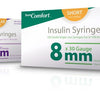
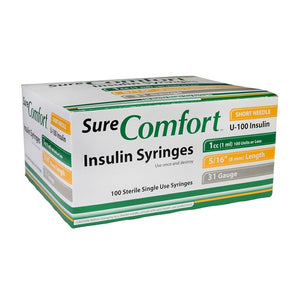
If you also use insulin syringes or pen needles, keeping sterile prep pads in the same supply kit keeps your routine simple and consistent.
For Blood Glucose Testing and Lancet Use
Before a fingerstick blood glucose test, cleaning the fingertip with an alcohol prep pad removes surface contaminants that could skew results. Allow the alcohol to fully dry before lancing, as residual alcohol can dilute the blood sample and affect accuracy.
Pair sterile prep pads with your lancets and a reliable blood glucose meter for a complete testing setup. Consistent prep matters as much as the device itself.
For Wound Cleaning and First Aid

While alcohol prep pads are effective for disinfecting intact skin around a wound, they are not recommended for application directly inside an open wound. According to the CDC, isopropyl alcohol can damage tissue and slow healing in open wounds. They are appropriate for cleaning the surrounding skin to prevent cross-contamination. For deeper wound care, consult a healthcare provider about appropriate antiseptic alternatives. For more information, visit the CDC Wound Care Guidance.
For General Medical and Home Health Use
Caregivers, home health aides, and individuals managing chronic conditions often keep sterile prep pads as a staple supply item alongside medical exam gloves and other personal protective supplies. In these settings, a box of 100 or 200 individually wrapped sterile pads offers both economy and reliability.
Brand Breakdown: What We Carry and Why It Matters
Cardinal Health Webcol
Webcol is one of the most widely recognized prep pad lines in clinical settings. The 2-ply, sterile, individually wrapped pads are consistently saturated and sealed well. Available in both medium and large at Medicinal Supplies.
Cardinal Health Curity
A slightly lighter profile than Webcol, Curity pads are a good budget-friendly option without sacrificing the sterile designation. Popular for high-volume home use where cost-per-pad matters.
Medline Curad
Curad pads are 2-ply, medium, and sterile, with consistent saturation across the box. The brand has strong quality controls and is a dependable choice for injection prep and general medical use.
MHC EasyTouch
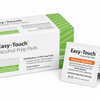
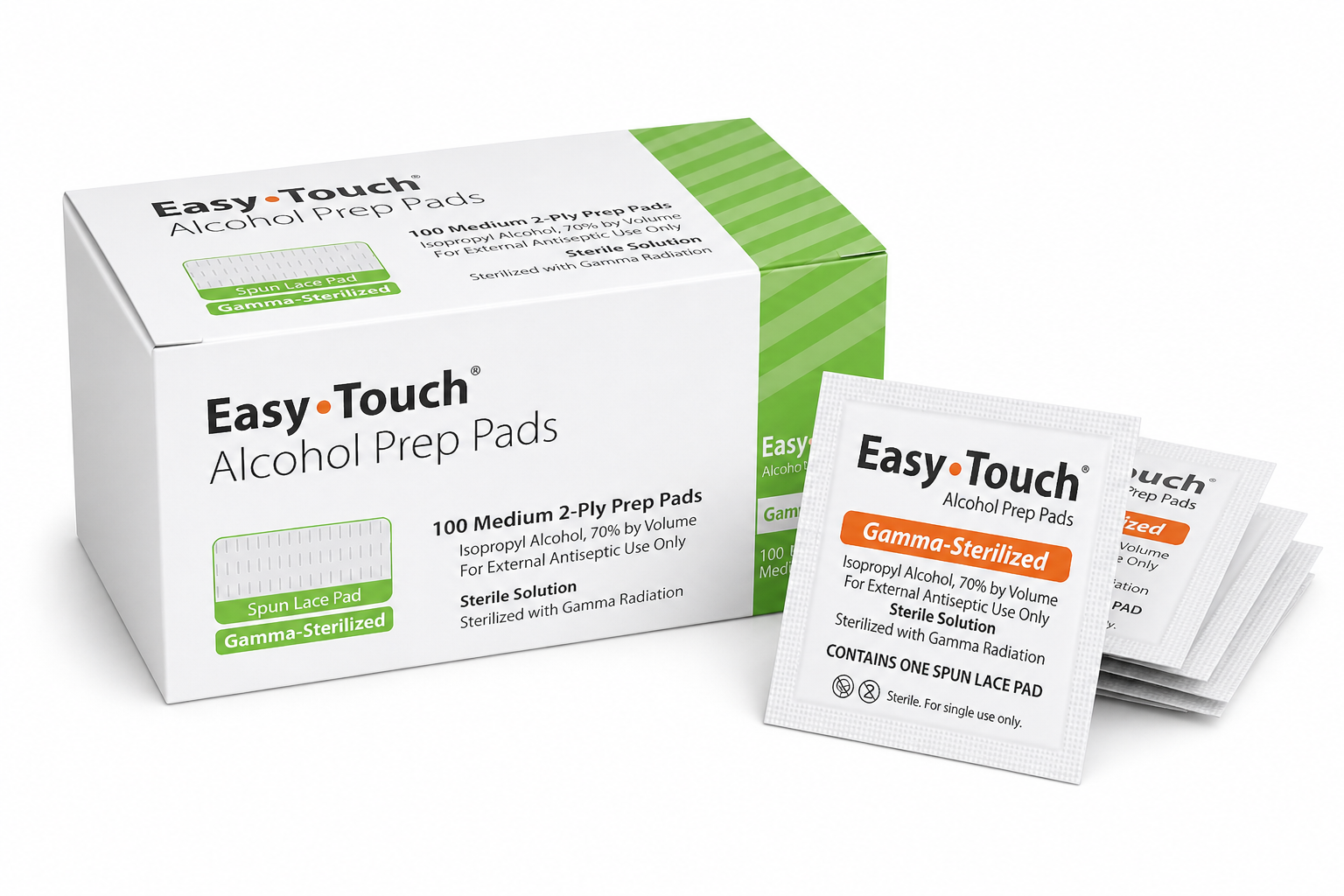
A trusted brand among people managing diabetes at home, EasyTouch prep pads are 2-ply and sterile, offered at a competitive price point. They pair naturally with the broader EasyTouch diabetes supply line.
Pro Advantage
A professional-grade option suited for caregivers and home health users who want clinical-quality pads without the clinical markup.
Browse the full alcohol prep pads collection at Medicinal Supplies to compare all available brands side by side.
Quick Comparison: Sterile Alcohol Prep Pad Specs at a Glance
| Brand | Ply | Size | IPA Concentration | Sterile | Best For |
|---|---|---|---|---|---|
| Cardinal Health Webcol | 2-Ply | Medium / Large | 70% | Yes | Injections, IV prep, clinical use |
| Cardinal Health Curity | 2-Ply | Medium | 70% | Yes | High-volume home use, budget-friendly |
| Medline Curad | 2-Ply | Medium | 70% | Yes | Injection prep, general medical use |
| Medline (MDS090670) | 2-Ply | Large | 70% | Yes | Wound cleaning, broader surface prep |
| MHC EasyTouch | 2-Ply | Medium | 70% | Yes | Diabetes home use, lancet and injection prep |
| Pro Advantage | 2-Ply | Medium | 70% | Yes | Caregivers, home health, professional use |
What to Avoid When Buying Alcohol Prep Pads
Non-sterile pads should never be used for injection prep. If the box does not say "sterile," it should not be used for pre-injection skin prep. Always check expiration dates before use, as alcohol evaporates even inside sealed packaging over time. Single-ply pads tend to tear under pressure and may not hold enough alcohol for proper skin prep, making them a poor choice for medical procedures.
Stick to established manufacturers with documented quality control standards and avoid unknown or unverified brands. Also be cautious of wipes labeled simply as "alcohol wipes" without a listed IPA concentration, as you cannot confirm effective antiseptic coverage without that information.
Frequently Asked Questions
What percentage of isopropyl alcohol should sterile prep pads contain?
The standard for medical-grade skin prep is 70% isopropyl alcohol. This concentration is proven to be the most effective for killing bacteria on intact skin before injections or procedures. Pads with concentrations above or below 70% are less commonly used in clinical settings and may not match standard care guidelines.
Are sterile alcohol prep pads safe to use on children?
Sterile alcohol prep pads can be used on children's skin for injection prep or minor wound cleaning, but they should be used carefully around the face and on broken or irritated skin. Allow the alcohol to fully dry before any needle contact. When in doubt, consult your child's pediatrician for guidance specific to your situation.
How long does it take for an alcohol prep pad to dry before an injection?
Most clinicians recommend waiting 30 to 60 seconds after wiping the skin with an alcohol prep pad before proceeding with an injection. This allows the alcohol to evaporate fully, which reduces stinging and prevents alcohol from being carried into the subcutaneous tissue.
Can I reuse an alcohol prep pad?
No. Alcohol prep pads are single-use items. Once a pad is opened and used, it is considered contaminated and should be discarded immediately. Reusing a pad can transfer bacteria back onto the skin rather than removing it.
Do alcohol prep pads expire?
Yes. The alcohol in prep pads gradually evaporates even inside sealed packaging. Most prep pads have a shelf life of two to three years from the manufacturing date. Always check the expiration date printed on the box and individual packet before use.
The Bottom Line on Sterile Alcohol Prep Pads
Choosing the right sterile alcohol prep pad comes down to five things: 70% isopropyl concentration, 2-ply construction, the right size for your use case, consistent saturation, and intact packaging with a valid expiration date. Getting those specs right means every wipe does its job, whether you are prepping for an insulin injection, a lancet stick, or wound care at home.
Browse the full selection of sterile alcohol prep pads at Medicinal Supplies to find the right brand and size for your needs, with fast shipping and trusted brands stocked and ready.