

Thigh High Compression Socks: What They Are, Who Needs Them, and How to Choose the Right Pair
Your legs carry you through every hour of every day, and when circulation struggles to keep up, the effects show up fast. Swelling, aching, heaviness, and the visible bulge of varicose veins are all signs that blood is not moving efficiently back toward the heart.
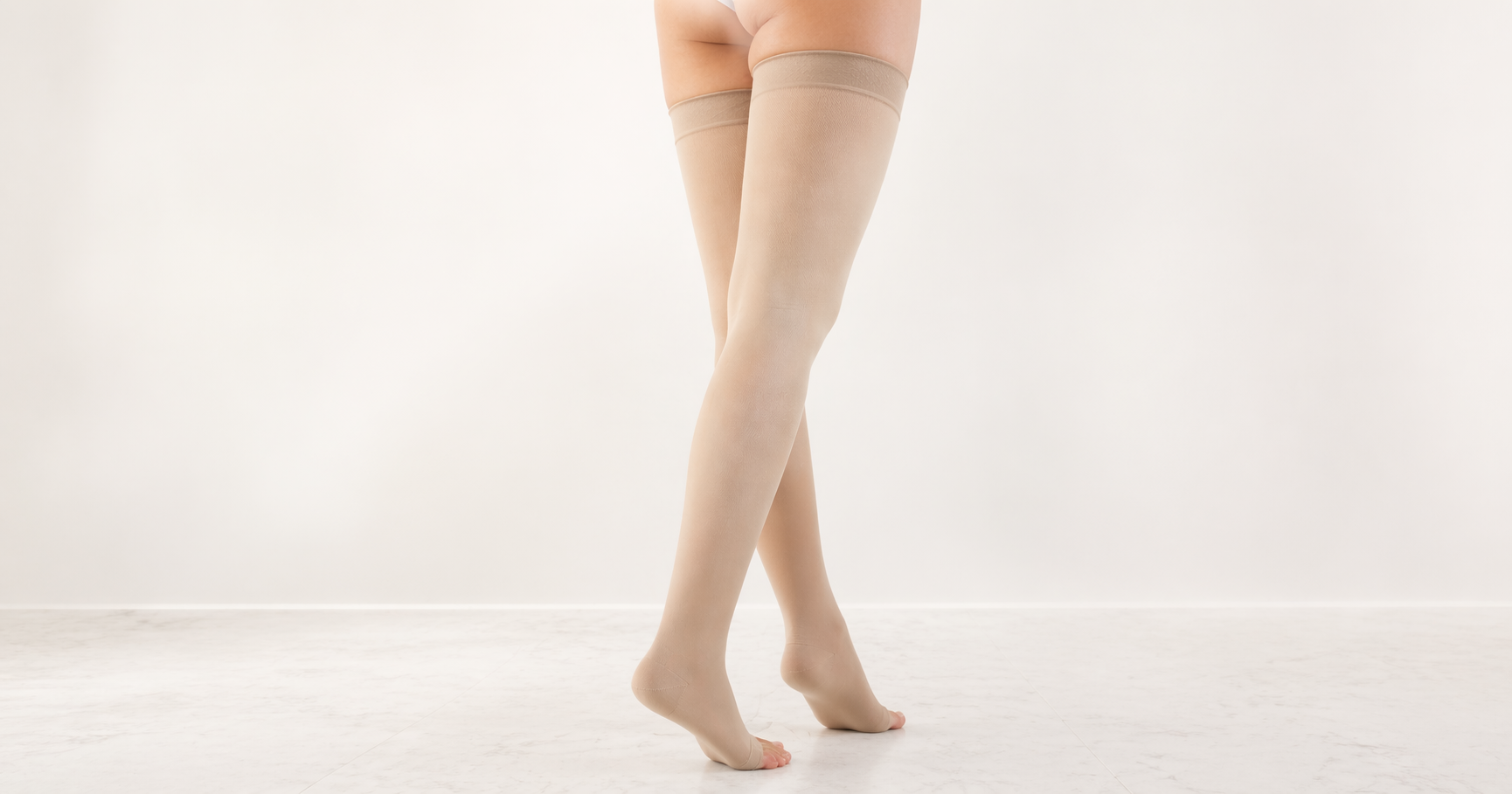
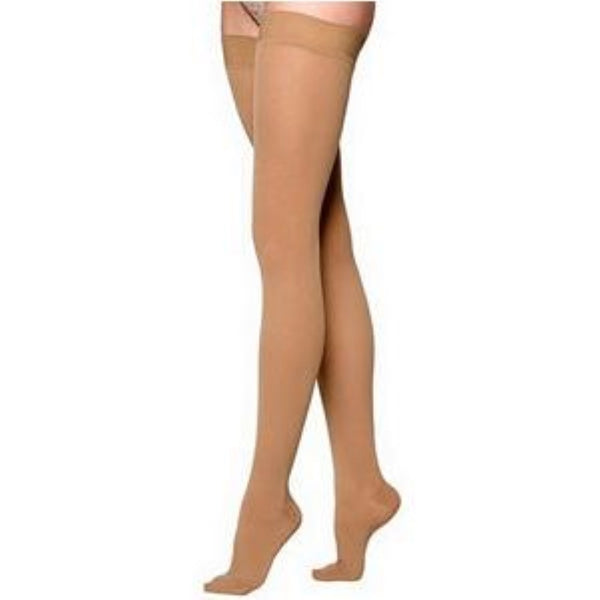
Thigh high compression socks are one of the most effective, non-invasive tools for managing exactly these problems. Unlike standard knee-high compression socks, thigh high compression stockings cover the full leg from foot to upper thigh, delivering graduated pressure that supports circulation across a much larger surface area.
This guide covers everything you need to know: what thigh high compression socks actually do, which conditions they are used for, how to choose the right compression level, and how to measure for a proper fit before you buy.
How Thigh High Compression Socks Work
Compression socks are not just tight socks. They are engineered with a specific pressure pattern called graduated compression, meaning the pressure is strongest at the ankle and gradually decreases as the garment moves up the leg.
This gradient matters. The ankle is where blood pooling and fluid buildup tends to start, so applying the most pressure there gives your veins and lymphatic system the push they need to move fluid upward, against gravity, back toward the heart.
Thigh high compression stockings extend that graduated pressure all the way up to the upper thigh. According to the American Heart Association, this full-leg coverage is particularly important when venous reflux, the backflow of blood, extends beyond the lower leg into the thigh region.

The result is improved blood flow, reduced swelling, lower risk of clot formation, and less end-of-day leg fatigue.
Who Should Wear Thigh High Compression Socks
Thigh high stockings are appropriate for a wider range of people than most assume. Both medical conditions and everyday lifestyle needs can make them the right choice.
People With Varicose Veins
Varicose veins develop when the valves inside leg veins weaken or fail, allowing blood to pool and veins to bulge visibly. Compression stockings are a standard conservative treatment. They will not eliminate varicose veins, but they reduce associated pain, swelling, and leg heaviness. Thigh high stockings are recommended specifically when varicose veins extend above the knee, which knee-high socks cannot address.
People at Risk for Deep Vein Thrombosis (DVT)
DVT is a blood clot that forms in the deep veins of the leg, most often after surgery, prolonged immobility, or during pregnancy. It is a serious condition, as clots can break free and travel to the lungs, causing a pulmonary embolism. Thigh high compression stockings are widely used for DVT prevention, particularly after knee replacement, hip replacement, or other major surgeries. They are also recommended for long-haul flights of five hours or more, where immobility significantly raises clot risk.
Pregnant Women
Pregnancy is one of the most compelling reasons to consider thigh high compression stockings specifically. Pregnancy increases pressure on the pelvic and leg veins, slows blood return, and raises the risk of DVT significantly compared to non-pregnant women, according to research cited by Yale Medicine. Hormonal changes also soften vein walls, making them more prone to dilation. Thigh high stockings provide coverage that knee-high socks simply do not reach.
People With Lymphedema
Lymphedema occurs when the lymphatic system is damaged or blocked, causing fluid to accumulate in the tissues, most commonly in the legs. Thigh high compression stockings help manage lymphedema by applying external pressure that assists lymphatic drainage, reduces swelling, and helps prevent the skin infections that often accompany the condition.
People Who Stand or Sit for Long Periods
Nurses, teachers, retail workers, and office professionals all spend extended periods either on their feet or sedentary at a desk. Both extremes compromise circulation. Prolonged standing allows blood to pool in the lower legs, and prolonged sitting causes similar stagnation. Over-the-counter options at lower pressure levels provide genuine relief for tired, aching legs at the end of a long day, with no diagnosis required.
Post-Surgical Recovery Patients
Following orthopedic procedures on the knee, hip, or leg, thigh high anti-embolism stockings are routinely prescribed to prevent blood clots during the recovery period when patients are largely immobile. These are a distinct product from everyday compression socks. See our full range of anti-embolism stockings for post-surgical options.
Thigh High vs. Knee High: Which Do You Actually Need?
The choice comes down to one main factor: where the problem is located in your leg.
Knee high socks
Best when swelling, pain, or venous insufficiency is limited to the ankle and lower calf. They are easier to put on, generally more comfortable for all-day wear, and less expensive. An excellent starting point for people with early-stage venous problems or those using compression purely for fatigue and prevention. Browse our compression socks selections for knee-high options.
Thigh high stockings
The right choice when:
- Swelling or varicose veins extend above the knee
- DVT history or risk involves the thigh or pelvic veins
- A vascular specialist has confirmed venous reflux extends beyond the lower leg
- Post-surgical compression is required for the full leg
- Pregnancy-related swelling involves the upper leg or thigh
Not sure which length you need? A duplex ultrasound is a non-invasive imaging test that maps blood flow in the leg and can confirm exactly where any venous dysfunction exists. A vein specialist or vascular surgeon can use this to give you a precise recommendation.
Trusted Brands, Medical-Grade Quality
Every compression stocking we carry at Medicinal Supplies is sourced from clinician-recommended brands with a proven track record in compression therapy. Jobst, Sigvaris, and Cardinal Health are among the most trusted names in the field, used in hospitals, prescribed by vascular surgeons, and relied on daily by people managing serious venous conditions. Whether you need post-surgical support, everyday relief, or medical-grade graduated compression, the products below are a strong starting point.
Shop by use case
Find the Right Pair for Your Needs
Matched to the conditions covered in this guide.


Looking for more options? Browse all compression socks →
Compression Levels Explained: Choosing the Right mmHg
All compression stockings are rated in millimeters of mercury (mmHg), the same unit used to measure blood pressure. The higher the number, the greater the compression. Choosing the right level is as important as choosing the right length.
For most people using thigh high compression socks for the first time, the 15-20 mmHg range is a safe and effective starting point. The Mayo Clinic recommends working with a trained fitter when choosing compression levels above 20 mmHg to ensure correct fit and therapeutic benefit.
Important: Compression levels of 20 mmHg and above are considered medical grade. Consult your healthcare provider before purchasing firm or extra firm compression, particularly if you have peripheral artery disease (PAD), diabetes-related circulation issues, or open wounds on the legs.
How to Measure for Thigh High Compression Socks
Fit is everything with compression stockings. A stocking that is too loose provides no therapeutic benefit. One that is too tight can restrict blood flow and cause skin problems.
When to measure
First thing in the morning, before getting out of bed, when leg swelling is at its lowest. Measurements taken later in the day will result in a size that is too large and will not apply adequate pressure.
What you need
A flexible fabric measuring tape. Measure both legs, as they are often slightly different in size. If there is a significant difference, you may need two different sizes or custom-made stockings.

The four measurements
- Ankle circumference: at the narrowest point just above the ankle bone
- Calf circumference: at the widest point of the calf while standing
- Thigh circumference: at the widest part of the thigh, approximately 5cm (2 inches) below the groin crease
- Leg length: from the floor (bottom of the heel) to the gluteal fold, the crease at the base of the buttock
Once you have your measurements, compare them against the size chart from your chosen brand. Jobst, Sigvaris, Medi, and Cardinal Health all use slightly different scales, so always check the specific chart for the brand you are buying.
How to Put On Thigh High Compression Stockings
One of the most common complaints about thigh high compression stockings is that they are difficult to put on. With the right technique, the process becomes straightforward.
- Put them on first thing in the morning, before your legs have swollen
- Turn the stocking inside out down to the heel pocket
- Slip your foot in and pull the heel section into position
- Gradually roll the stocking up the leg in sections and do not pull from the top
- Smooth out any wrinkles or bunches as you go, as bunching creates pressure points
- Stand upright to pull the stocking over the knee and up to the thigh
- Ensure the silicone grip band at the top sits flat against the thigh without digging in

Rubber gloves or a donning device, which is a smooth plastic frame designed specifically for this purpose, can make the process significantly easier, particularly for people with arthritis or limited hand strength.
Never roll or fold the top down. Folding or rolling the stocking down at the top creates a tourniquet effect, concentrating pressure in a single band and blocking the blood flow that compression therapy is meant to support. If the stocking will not stay up, the issue is sizing and not length adjustment.
Care and Replacement
Compression stockings wear out. The elastic fibers that create graduated pressure degrade with repeated use and washing. Most manufacturers recommend replacing thigh high compression stockings every three to six months with regular daily use.
To maximize their lifespan:
- Hand wash or use a gentle machine cycle in cool water
- Use a mild detergent and avoid bleach and fabric softener, which break down elastic fibers
- Air dry away from direct heat or sunlight
- Never tumble dry, as heat degrades the elasticity rapidly
A simple test: if the stocking no longer feels snug at the ankle after washing, or if you can see visible stretching in the fabric, it is time to replace them. Worn-out stockings deliver little or no therapeutic benefit.
When to See a Doctor Before Using Compression Stockings
Compression stockings are safe for most people, but there are situations where medical evaluation should come first.
See a doctor before using compression stockings if you:
- Have been diagnosed with or suspect peripheral artery disease (PAD), as compression can worsen restricted arterial blood flow
- Have significant swelling in only one leg, or swelling that came on suddenly
- Experience leg pain that is new, severe, or rapidly worsening
- Have open wounds or active skin infections on the leg
- Are pregnant and experiencing significant or sudden swelling
- Are considering compression levels of 20 mmHg or above without prior medical guidance
If you or someone you care for is also managing diabetes with foot or circulation complications, our diabetic socks collection offers specialized footwear designed to protect sensitive feet without the risks of standard compression wear on compromised circulation.
Frequently Asked Questions
What's the difference between thigh high and knee high compression socks?
Knee high compression socks cover from the foot to just below the knee. Thigh high stockings extend from the foot to the upper thigh. The right choice depends on where swelling, varicose veins, or circulatory problems are located. If your symptoms are limited to the ankle and calf, knee-high socks are usually sufficient. If the issue extends above the knee, or your doctor has confirmed venous reflux in the thigh, thigh high stockings provide the necessary coverage.
Can I wear thigh high compression socks all day?
Yes, most people wear them throughout the day and remove them before bed. Wearing them during waking hours, when you are upright and gravity is working against circulation, is when they provide the most benefit. Some post-surgical protocols may require around-the-clock wear, so always follow your healthcare provider's specific instructions in that case.
What compression level should I choose for thigh high stockings?
For everyday support and mild leg fatigue, 15-20 mmHg is the most appropriate over-the-counter option. For varicose veins, post-surgical recovery, or DVT management, 20-30 mmHg is typically recommended but warrants a conversation with your doctor. Levels of 30 mmHg and above are medical grade and should be prescribed. If you are using compression therapy for the first time, start at 15-20 mmHg and consult your healthcare provider if symptoms do not improve.
How do I stop thigh high compression stockings from rolling down?
Rolling is almost always a sizing or fit issue. Verify your thigh measurement is accurate and that you are using the correct size for your brand's chart. Look for stockings with a silicone grip band at the top, as the silicone creates friction against the skin to keep the stocking in place. If rolling persists despite correct sizing, a garter belt or compression pantyhose may provide better hold.
Are thigh high compression stockings covered by insurance?
In many cases, yes, when prescribed by a physician for a diagnosed medical condition such as DVT, chronic venous insufficiency, or lymphedema. Medicare Part B may cover prescription-grade compression garments under certain conditions. Coverage through private insurance varies by plan. Contact your insurer directly to confirm coverage terms before purchasing.
How often should thigh high compression stockings be replaced?
Most manufacturers recommend replacing compression stockings every three to six months with regular daily use. The elastic fibers that create graduated pressure degrade over time, and stockings that have lost their tension no longer provide therapeutic benefit. If they no longer feel snug at the ankle after washing, or if the fabric looks visibly stretched, it is time for a new pair.
Finding the Right Pair for Your Needs
Thigh high compression socks are a well-established, evidence-backed tool for managing leg swelling, supporting circulation, preventing blood clots, and providing relief from venous conditions that extend above the knee. The key to getting real benefit from them is choosing the right compression level, measuring accurately, and replacing them when the elastic begins to wear.
Whether you need everyday support, post-surgical recovery, or management of a chronic venous condition, browse our compression socks and anti-embolism stockings to find the right pair for your needs.
Medical Disclaimer: The information on this page is for general informational purposes only and does not constitute medical advice. Always consult a qualified healthcare provider before starting compression therapy, particularly if you have a diagnosed circulatory condition, peripheral artery disease, or are pregnant. Compression levels of 20 mmHg and above should be used under medical guidance.