

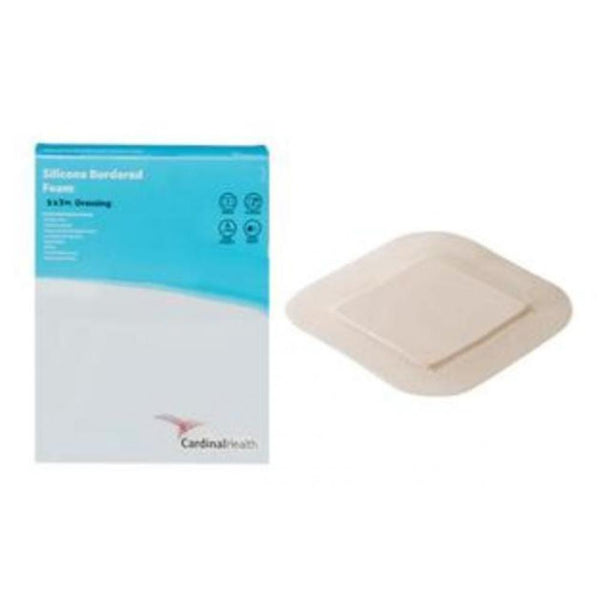
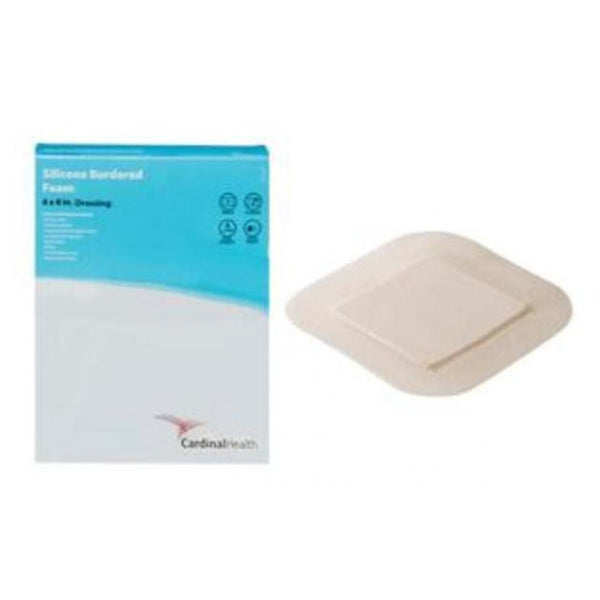
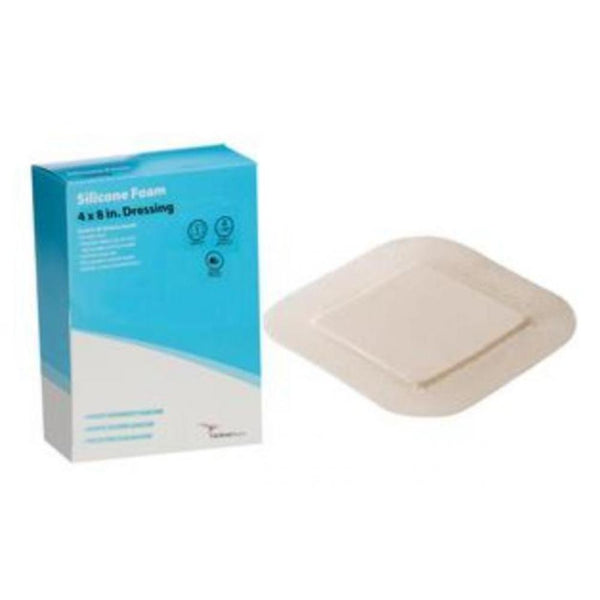
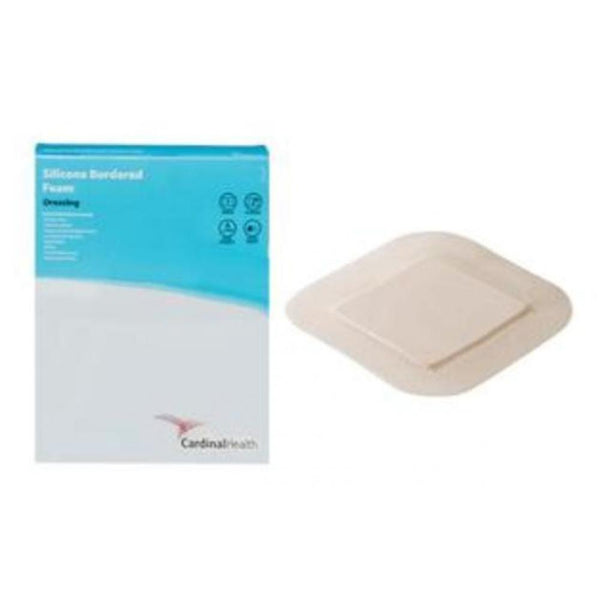


- BFM33 | 3 in x 3 in | Each - $4.75
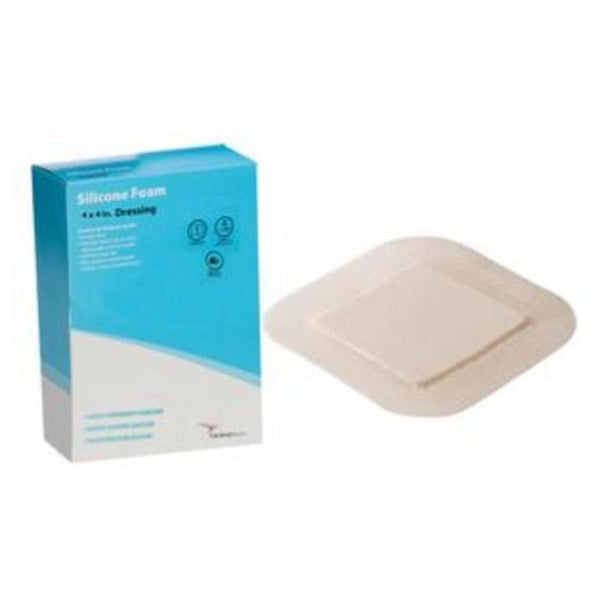
- BFM44 | 4 in x 4 in | Each - $4.81
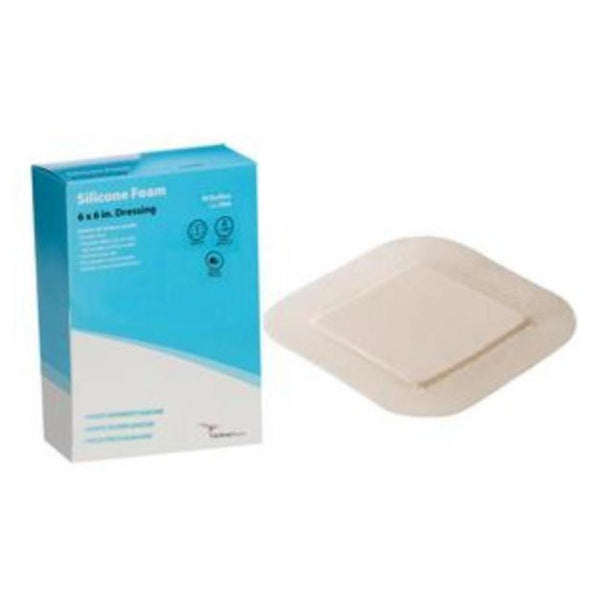
- BFM66 | 6 in x 6 in | Each - $8.59
- BFM68 | 6 in x 8 in | Each - $10.24
- BFM48 | 4 in x 8 in | Each - $9.14
- BFM412 | 4 in x 12 in | Each - $11.57
- BFMSMSCRL | 7.2 in x 7.2 in | Each - $10.41
- BFMSMSCRL | 7.2 in x 7.2 in | Box - $49.40
- BFMLGSCRL | 9.2 in x 9.2 in | Each - $16.83
- BFM33 | 3 in x 3 in | Box - $37.78
- BFM412 | 4 in x 12 in | Box - $51.97
- BFM44 | 4 in x 4 in | Box - $39.56
- BFM44 | 4 in x 4 in | Case - $192.79
- BFM48 | 4 in x 8 in | Box - $42.18
- BFM66 | 6 in x 6 in | Box - $76.73
- BFM68 | 6 in x 8 in | Box - $49.70
- BFMLGSCRL | 9.2 in x 9.2 in | Box - $81.20
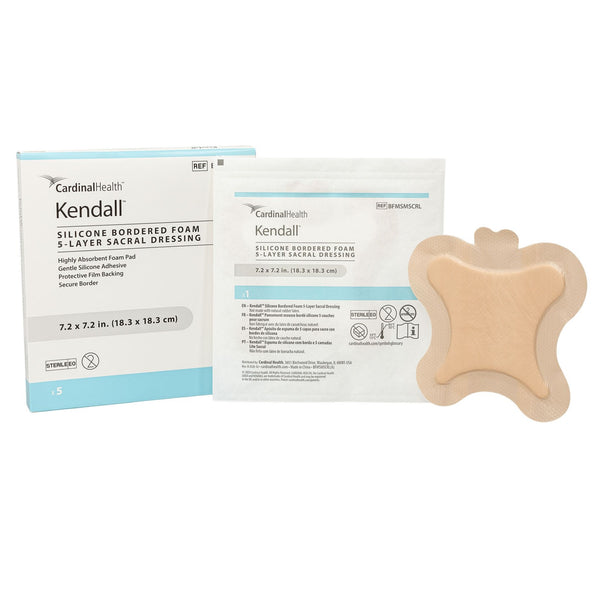
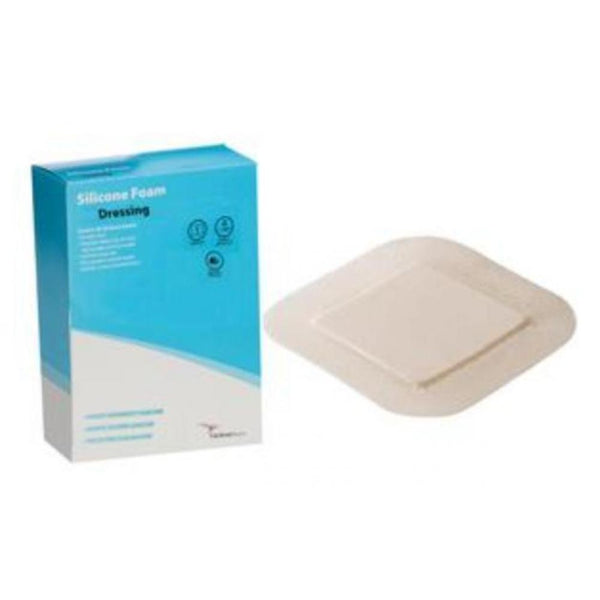
Cardinal Health Kendall Silicone Bordered 5-Layer Foam Sacral Dressing, Small 7.2" x 7.2"
PRODUCT DETAILS
Silicone bordered foam dressings are sterile, foam dressings made with a highly absorbent foam pad, protective film backing, gentle silicone adhesive and secure border. The dressings are used to protect and absorb exudate from the wound, which helps facilitate a moist environment and may promote healing.
Features and Benefits
- Type of dressing: Primary and secondary dressing.
- Change frequency: Up to 7 days.
- Used for the management of moderate to heavy exuding, partial to full thickness wounds, including: Pressure ulcers, diabetic, venous and arterial ulcers, post-operative surgical wounds, graft and donor sites, traumatic wound, lacerations and abrasions.
- Contraindications: Third-degree burns and lesions with active vasculitis.
- Latex-free.
- Replaces ZDSF77SB
- MPN: BFMSMSCRL
Unit of Measure Contents Sold By
Each (EA) 1 Each 1 Total (1 Each)
Box (BX) 5 Each 5 Total (1 Box of 5 Each)
Frequently Asked Questions (FAQs)
Q: What is foam dressing used for?
A: Foam dressings are used for moderate to heavily exuding wounds such as pressure ulcers, post-surgical wounds, diabetic ulcers, and traumatic wounds. They absorb fluid, protect the wound, and support healing.
Q: How often should foam dressings be changed?
A: Foam dressings are typically changed every 3 to 7 days or as needed depending on the amount of exudate. Always follow the wound care professional’s recommendations.
Q: How do foam dressings work?
A: Foam dressings absorb exudate while keeping the wound moist. They help prevent infection, reduce pain, and protect the wound from external contaminants.
Q: Can foam dressings be used on infected wounds?
A: Some foam dressings are formulated with antimicrobial agents suitable for infected wounds. Always consult with a healthcare provider before applying to an infected site.
Q: Are foam dressings suitable for dry wounds?
A: Foam dressings are typically not recommended for dry wounds because they are designed to absorb moisture. Hydrogel dressings may be more appropriate for dry or necrotic wounds.
Q: Do foam dressings stick to wounds?
A: Non-adherent foam dressings do not stick to wounds and are gentle during removal. Adhesive foam dressings stick around the wound, not directly on it.